UGC Ad Formats: Eight Video Ad Types and When to Use Each
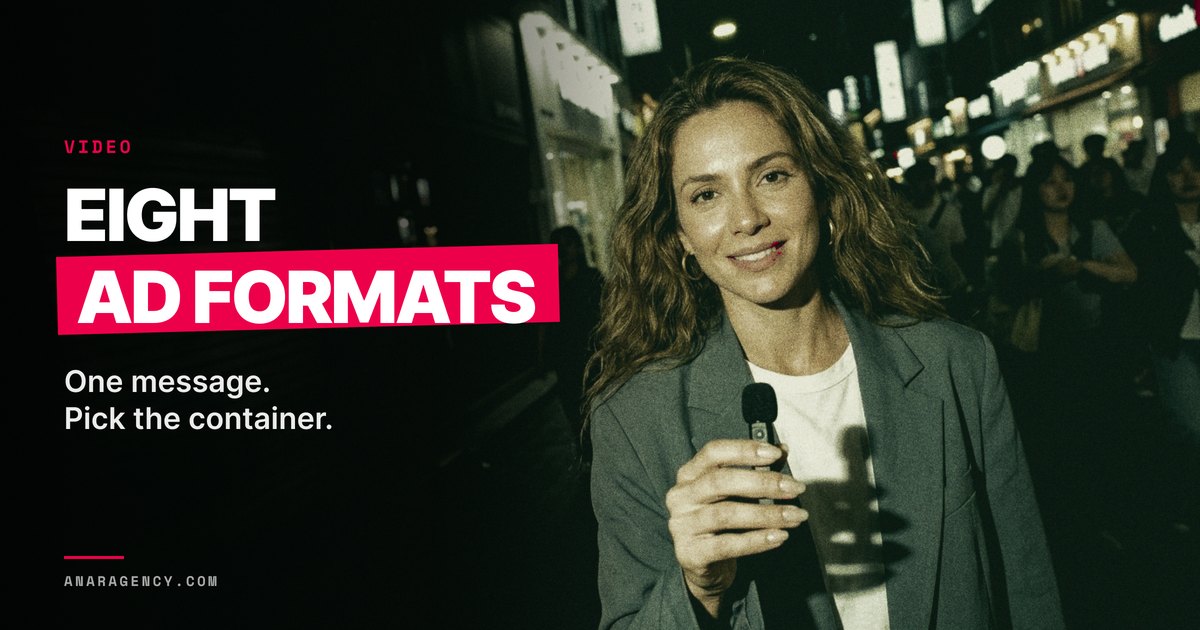
UGC ad formats are the containers a video ad's message rides in: who speaks, where, and how it is cut. Eight useful ones are the explainer, podcast, insider, mini sales video, street interview, skit, point of view and real customer. Pick by how aware and how skeptical buyers are.
Test one message in three formats. Only real customers testify.
What are UGC ad formats?
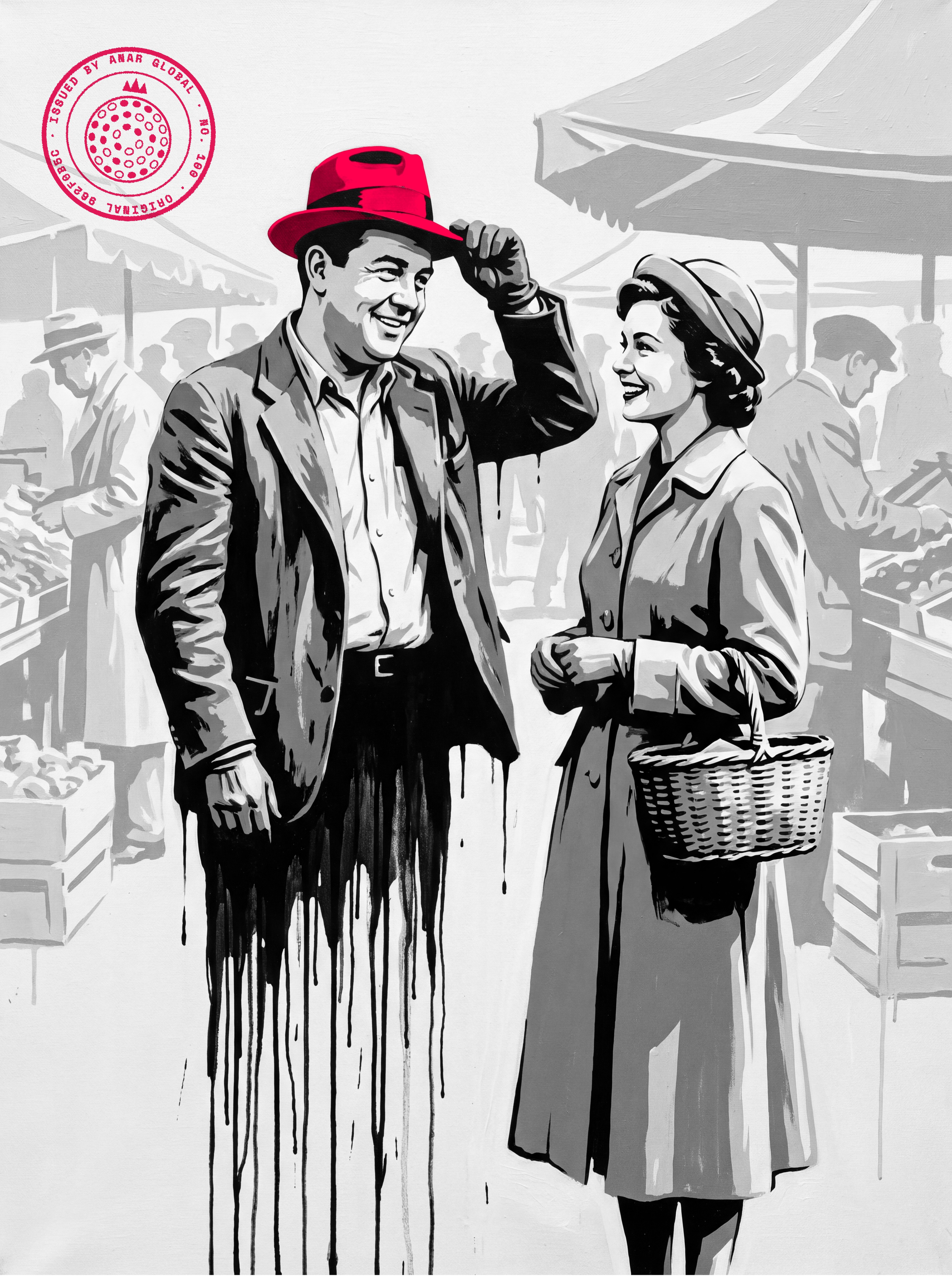
March 2012. A small razor company posted one video. The founder talked straight into the camera, deadpan and sarcastic.
The traffic crashed the company's server in the first hour. The video brought in 12,000 orders in two days. Four years later, Unilever bought the company for a reported $1 billion.
The razors were ordinary. The container was not. You can copy a container.
UGC ad formats are the containers a video ad's message rides in. UGC stands for user-generated content: ordinary people filming on their phones. A UGC ad borrows that look, so it reads as a person talking, not a company shouting.
Search for UGC ads and most pages mean one thing: ads made by paid creators. We mean something wider. A format is who speaks, where they stand, how the camera sees them, and how it is cut.
Most advertisers rewrite the words every week and never touch the container. So every ad looks like the last one. Same face, same kitchen, same result.
Why does it matter? Because the same sentence reaches a different viewer in each container.
You cannot know in advance which one wins. So you keep a library. And you test.
One founder video brought in 12,000 orders in two days
- orders in the first 48 hours 12000
- reported sale price four years later 1
Wikipedia, Dollar Shave Club (launch video March 2012, sale to Unilever 2016)
Example: the same sentence in four containers reaches four different viewers
Message: "We answer the phone at night. Most plumbers do not." Only the container changes.
| Format | What the viewer sees |
|---|---|
| Explainer | The owner at a whiteboard, drawing the 10 pm to 7 am gap |
| Insider | A plumber in his van at night, phone ringing on the dash |
| Podcast | Two people at a microphone arguing about who picks up after hours |
| Customer | A homeowner on her sofa, in her own words, about the night her pipe burst |
Example with a made-up business
The Format Library: eight UGC ad formats worth keeping
The Format Library is our working list of video ad containers, each with one job. We keep more than eight. These eight suit a small advertiser with a phone and a few willing people.
The explainer. One person explains one idea, cut with shots of the thing they describe. It teaches buyers who already feel the problem.
The podcast. One or two people at a microphone. A strong opinion first, then the reasoning out loud.
Skeptics trust a person who shows their thinking. Nobody trusts a slogan read off a card.
The insider. Someone in the uniform of the trade names a problem only an insider would see. A roofer on a roof beats a roofer in a studio.
The mini sales video. A pain scene, the hidden cause, the new way, the offer. Under a minute.
It suits buyers who are already comparing. They want the reason to pick you, fast.
The street interview. One question, put to strangers or to real customers. Competing Against Luck describes a university ad that drove a bus to graduates' homes and asked one question: who did you get this degree for?
One father in that ad says he did it for his young son. No script beats that line.
Real people. One good question. That is the whole format.
The skit. Two people act out the problem. The Mac and PC ads ran for years on two characters, a white wall and a short scene.
Skits can also give the problem a face. The StoryBrand book points to cleaning ads where dust bunnies roam the floor like a street gang. A problem with a face is easier to hate.
The point of view. The camera is the customer's eyes. The viewer lives the moment instead of watching it.
The customer. A real customer, in their own words, on their own phone. Nothing else proves it happened.
Eight formats, eight jobs, eight natural lengths
| Format | Who speaks | Best for | Our working length |
|---|---|---|---|
| Explainer | One person, one idea | Buyers who feel the problem | 15 to 30 seconds |
| Podcast | One or two at a microphone | Skeptics | 20 to 45 seconds |
| Insider | Someone in the trade's uniform | Trust in a crowded market | 15 to 30 seconds |
| Mini sales video | One narrator, four beats | Buyers comparing options | 45 to 60 seconds |
| Street interview | Strangers or real customers | People not looking for you | 8 to 15 seconds |
| Skit | Two people acting | Showing a problem people ignore | 15 to 30 seconds |
| Point of view | The camera is the customer | Making the moment felt | 10 to 20 seconds |
| Customer | A real customer | Proof | 20 to 45 seconds |
Anar working rules for the Format Library
A format is a container: who speaks, where, and how it is cut. Keep a library of eight: the explainer, the podcast, the insider, the mini sales video, the street interview, the skit, the point of view and the real customer. Give every ad four layers: a two to six word hook banner, captions that change with each phrase, cutaways that show the thing being named, and proof on screen.
Skip the intro. Match the format to how aware the buyer is, then adjust for how skeptical they are. Test one message in three formats with equal budgets and judge on cost per result.
Actors and AI presenters may explain. Only real customers testify. Label dramatizations, disclose paid endorsements and follow each platform's labels.
Every format shares the same four layers
Nearly every format that works wears the same four layers.
A better camera? Nice to have. The layers matter more.
A hook banner. Two to six words in a contrast box, in the top third of the screen, for the first two or three seconds. It tells a muted scroller what this is.
Captions that change with every phrase. One to five words at a time. A viewer with the sound off still gets the whole message.
Cutaways that show the noun. Say "invoice" and show an invoice. Cut every two or three seconds.
Proof on screen. A screenshot, a highlighted line, a real review as text. Show it, do not just say it.
And skip the intro. Lean Analytics tells how a prank-video channel put a 10 to 15 second animated intro on its compilations and lost 30% of viewers in the first 15 seconds. The team cut the intros from every upload.
The same channel saw long episodes lose 40% of viewers by the halfway mark, against 15% for one short clip. Those were shows, not ads. Our reading: a feed punishes slow starts even harder.
A logo animation is a toll booth. Viewers do not pay. They turn around.
How to open each format is in the first three seconds.
Four layers make any format easy to follow
- Hook banner Two to six words in a contrast box, top third, first two or three seconds.
- Phrase captions One to five words at a time, changing with each phrase.
- Cutaways that show the noun Say the thing, show the thing, every two or three seconds.
- Proof on screen A screenshot, a highlighted line or a real review as text.
Anar working rules for the Format Library
Short clips kept more viewers: 15% gone by halfway, against 40% for long episodes
Share of viewers lost by the halfway point, one comedy video channel
- Long episode 40
- One short clip 15
Lean Analytics (Croll and Yoskovitz), Just For Laughs Gags case. Video shows, not ads
Which UGC format should you use? Match awareness, then skepticism
Pick the format with two questions about your buyer. Do they know they have the problem? And have they heard so many pitches that they trust none?
Unaware buyers need to see the problem first. Use the skit, the point of view or the street interview. Our guide to the unaware majority shows why this group is most of your market.
Problem-aware buyers know the pain but not the fix. Use the explainer or the insider.
Buyers who are comparing need a reason to pick you. Use the mini sales video or the customer.
Then adjust for skepticism. A buyer who has seen it all leans toward the podcast and the insider, where someone reasons out loud. See selling to buyers who have seen it all.
Not sure where your buyer sits? Pick formats from two neighboring rows. The test will tell you.
No customers willing to film yet? Then skip the customer format for now. Run the explainer and the insider, and start collecting clips with the five questions further down.
A format picked by habit is a guess wearing a ring light.
Awareness picks the row, skepticism picks the cell
- Street interview or skit Show the problem with real faces.
- Podcast or insider Reason out loud, on the job site.
- Skit or point of view Turn the problem into a scene they know.
- Mini sales video or customer Give the offer and the proof.
Anar working rules for the Format Library
The more a buyer knows, the more direct the format can be
- Does not see the problem Skit, point of view, street interview.
- Feels the problem Explainer, insider.
- Comparing options Mini sales video, customer.
- Has seen every pitch Podcast, insider: reasoning beats claims.
Anar working rules for the Format Library
Pour one message into three formats before you judge it
Test a message in three formats before you decide it failed. Same claim, same offer, same audience, same budget. Only the container changes.
Why three? One format only tells you about that format.
Two can tie. Three give the message a fair hearing.
Fill one format sheet per ad before anyone films: speaker, place, prop, hook banner, proof, length. An empty box means the ad is not ready.
The sheet also stops the most common shoot-day failure. Someone talks for two minutes about nothing, because nobody decided what the viewer should see.
Judge on cost per result after equal spend, never on likes. How much spend is enough lives in our creative testing engine. The weekly production rhythm lives in creative volume for Meta ads.
How to waste a month of video budget in four easy steps. Step one: film the owner in the same kitchen again. Step two: change the words every week, never the shot.
Step three: judge the message on one format, after two days. Step four: announce, with total confidence, that video does not work in your industry.
That is a hell of a verdict from one container. The message never got a fair trial.
Example: one message, three formats, one budget each
Message: "We answer the phone at night." Same offer, same audience.
| Format | Speaker | Place | Hook banner | Proof on screen |
|---|---|---|---|---|
| Insider | The plumber | His van, 11 pm | Calls after 9 pm? | Last night's call log |
| Customer | A homeowner who called at night | Her kitchen | Her pipe, 2 am | Her own words, her phone |
| Skit | Two neighbors | A wet basement | Who picks up at 2 am? | The night line on screen |
Example with a made-up business
Fill every box before anyone films
| Box | What to write | Example: the insider |
|---|---|---|
| Speaker | Who is on camera and why they are believable | The plumber who takes the night calls |
| Place | A spot that proves the job | His van, parked, dash lit |
| Prop | The noun the viewer must see | His phone, ringing |
| Hook banner | Two to six words | Calls after 9 pm? |
| Proof | One thing shown, not said | Last night's call log |
| Length | From the format table | 15 to 30 seconds |
Anar working rules for the Format Library
How do you get a customer testimonial that sells?
Ask better questions. Ask most customers for a testimonial and you get something kind and empty, like "great team, highly recommend." Kind words are not proof.
Building a StoryBrand by Donald Miller offers five interview questions that pull out a before-and-after story. Here they are in our words.
What problem did you have before you found us? How did that problem feel while you tried to fix it? What was different about us?
When did you first notice it was working? What does life look like now?
Film the answers on the customer's phone, or on yours in their space. Cut them in that order and the story builds itself.
Then check the clip against CRAVENS, a checklist from conversion expert Angie Schottmuller that Hacking Growth passes on. Credible, relevant, attractive, visual, enumerated, near the buy button, specific.
The same book warns that a vague rave, like a menu line praising the best steak in town, can raise doubt. Specific beats glowing.
Where each clip goes on your pages is in our social proof framework.
Five questions turn a kind sentence into a before-and-after story
- Before What problem did you have before you found us?
- The feeling How did that problem feel while you tried to fix it?
- The difference What was different about us?
- The turn When did you first notice it was working?
- After What does life look like now?
Adapted in our words from Building a StoryBrand, Donald Miller
Seven checks before a testimonial clip goes live
| Letter | Means | Check in a video ad |
|---|---|---|
| C | Credible | A real name, face or place, filmed where they live or work |
| R | Relevant | The customer looks like the buyer you target |
| A | Attractive | Good light, steady phone, clean sound |
| V | Visual | Show the result, not only the face |
| E | Enumerated | A number in their words: hours, dollars, days |
| N | Nearby purchase points | Run it where the buyer decides |
| S | Specific | One concrete detail beats ten adjectives |
CRAVENS by Angie Schottmuller, as cited in Hacking Growth (Ellis and Brown). The video checks are ours
Can actors or AI play the customer? They can explain, never testify
Actors and AI presenters may explain. They may not pose as customers.
The US rules are plain. The FTC's Endorsement Guides say an endorser who claims to use a product must really use it. Its rule on fake reviews and testimonials bans testimonials from people who do not exist, and the FTC names AI-made fakes.
Ads that show people as actual customers must use actual customers, or clearly say they are not. So an AI character can be the explainer, the narrator or the podcast host.
It states general facts. It never says "I used this" or claims a credential it does not have.
If a scene could pass for a real event, label it a dramatization. If someone was paid or given free product, disclose it. If a customer's result is unusual, say what most people get.
A paid actor saying "I lost twenty pounds" is not a testimonial. It is a costume with a claim.
Our rule fits on a sticky note. AI explains, customers testify.
And every fact on screen gets checked before it airs.
The box below lists the current FTC rules and platform labels. How we build AI presenters is in the clip pipeline.
AI and actors may explain; only real customers may testify
| Actor or AI presenter | Real customer |
|---|---|
| Explains how the product works | Says what happened to them |
| States general, checked facts | Shares a real result, with what most people get if theirs is unusual |
| Never says "I used this" | Must really have used it |
| Labeled as a dramatization if it could pass for real | Paid or gifted? Disclosed |
Our rule, built on 16 CFR 255 and 465 (FTC)
Run the Format Library with AI this week
The prompt below runs the whole method. Paste it into your preferred AI and answer six questions. It picks three formats, writes a sheet for each and flags the labels you need.
It never invents proof. No real customer? It will not write you one.
This week: first, write down the format of the last ad you ran. Second, run the prompt with one message. Third, film the three formats and give each the same budget.
The razor video worked because the container fit the message. Find the container that fits yours.
Next problem: the opening line. Our guide to writing a hook covers it.
Keep the words. Change the stage.
Three formats of one message, live within a week
- Name your last format Day 1 Write down the container of the last ad you ran.
- Run the prompt Day 1 One message in, three formats and three sheets out.
- Film and cut Days 2 to 4 Four layers on every ad. No intro.
- Launch with equal budgets Days 5 to 7 Judge on cost per result once each has had equal spend.
Anar working rules for the Format Library
Paste into your preferred AI. It asks six questions, then gives you three formats, a sheet for each, the labels you need and a test plan.
Act as a video ad planner. Use only these rules and my answers. Never invent a fact, number, result or customer quote; if something is missing, ask. If you can browse, first check the FTC Endorsement Guides and my ad platform's help pages on paid-partnership and AI labels, and tell me if anything below changed.

Ask one at a time, with the example, and wait:
1. What I sell. (Example: night plumbing, no call-out fee)
2. Do buyers know they have the problem, or are they comparing? (Example: comparing)
3. Have they seen many ads like mine? (Example: yes)
4. The one message to test. (Example: we answer the phone at night)
5. My proof. (Example: two customers willing to film, a call log)
6. Who can appear on camera. (Example: owner, one customer)

Rules:
- Formats: explainer, podcast, insider, mini sales video, street interview, skit, point of view, customer.
- Unaware: skit, point of view, street interview. Problem-aware: explainer, insider. Comparing: mini sales video, customer. Skeptical: lean to podcast, insider.
- Pick three formats for the one message. Same offer, audience and budget.
- Every ad: a 2 to 6 word hook banner, top third, first 2 to 3 seconds; captions of 1 to 5 words per phrase; a cutaway every 2 to 3 seconds showing the thing named; one proof on screen; no intro.
- Seconds: street interview 8-15, point of view 10-20, explainer, insider, skit 15-30, podcast, customer 20-45, mini sales video 45-60.
- Only real customers testify. Actors and AI presenters explain general facts, never claim use or results. Label dramatizations. Disclose paid or gifted endorsements. Unusual result: state what most customers get.
- No real customer: skip the customer format. Otherwise add five questions: problem before, how it felt, what was different, when it started working, life now.

For each format output:
FORMAT AND WHY:
SPEAKER:
PLACE:
PROP:
HOOK BANNER:
PROOF ON SCREEN:
LENGTH:
SCRIPT OUTLINE (5 lines):
LABELS NEEDED:
Then: TEST PLAN (equal budgets, judge on cost per result, not likes) and NEXT THREE ACTIONS.

Filip Kovacevic is the founder of Anar Agency in Phoenix. He spent five years running SEO, Meta ads, email, and content for medical practices across the United States, and now does the same work for healthcare, home-service, legal, and professional-service businesses, alongside AI implementation. More from Filip →
Talk it through in 15 minutes
Bring one question from this article. We will tell you what we would do, whether or not you hire us.
Book a 15-Min Chat →